Plan your visit · 10 min read
Best time to visit Kalbarri National Park
When the gorge walks are sane, when wildflowers actually peak, and how summer heat, winter wind and school holidays change the same stretch of Nanda Country.
Editorial desk · Updated 2026-09-15
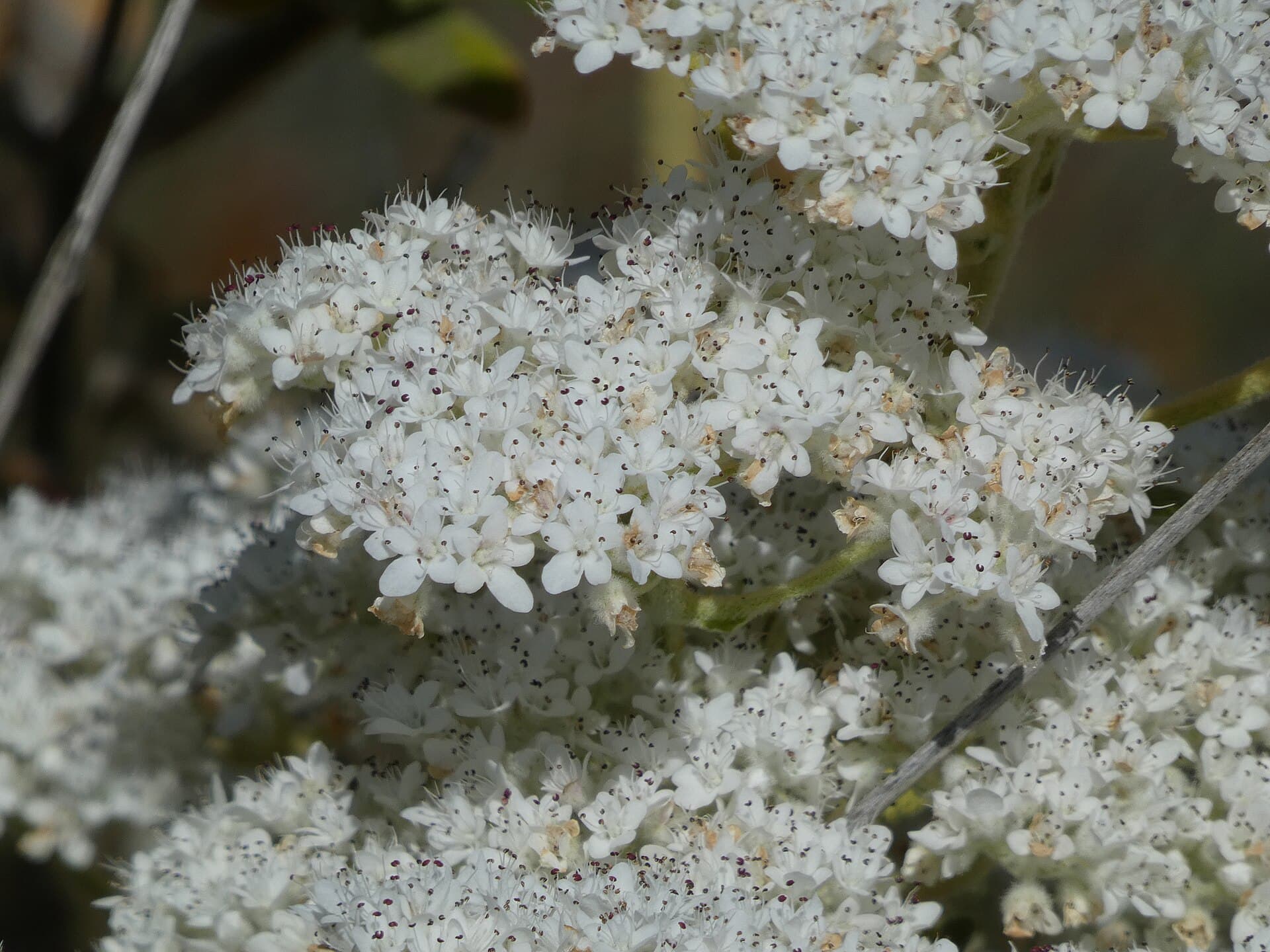
Photo: Findlay Osborn · CC BY-SA 4.0 · Wikimedia Commons. Source file · CC BY-SA 4.0

Findlay Osborn · CC BY-SA 4.0
Home / Visitor guides / Plan your visit
Kalbarri National Park sits on Nanda Country, roughly 590 kilometres north of Perth, and the calendar matters more here than the brochure photographs suggest. The same sandstone that looks inviting in August becomes a furnace in a February gorge. The same cliffs that feel gentle in April can throw sand in your teeth through a winter northerly. There is no single “best week” — only a best week for the walk you intend to do.
This is independent visitor writing, not Parks and Wildlife. Heat closures, prescribed burns, feral-animal control and road works move. Check Explore Parks WA and DBCA alerts the morning you go, and treat every seasonal claim on this page as a planning bias, not a booking guarantee. If you are still choosing between inland gorges and the free coast, start with the visitor guide and then come back here to pick a month.
Best time to visit for walks
For walking, late winter into mid-spring is the honest answer. August, September and October give you cooler starts, longer comfortable mornings, and enough light to do Nature’s Window plus Kalbarri Skywalk without racing the thermometer. April and May are the sleeper months: fewer vans on George Grey Drive, gorge rock that has not yet stored summer heat, and a sea that is still swimmable on the lucky afternoon.
Class 3 walks — Nature’s Window at 800 metres to one kilometre return, Ross Graham at about 700 metres, the Skywalk’s 150-metre wheelchair-friendly path — can be done most of the year if you start early and carry water. Class 4 is a different contract. The Loop is nine kilometres and three to five hours. The Z-Bend river trail is 2.6 kilometres and steeper than the lookout stroll of about 1.2 kilometres. Those are cool-season or dawn-only jobs.
If your group’s idea of a walk is a lookout and a photograph, you can visit in almost any month and have a good day on the coast. If your group’s idea of a walk is the Loop, do not book February and hope. Read the Loop Trail and heat safety and the Loop rule before you promise anyone a gorge circuit in the warm half of the year.
Wildflower season
Peak wildflower colour is usually August to October. That sentence is true and still not precise enough to plan a flight around a single weekend. Winter rain decides the week. A dry winter pushes colour later and thinner. A wet winter can bring an early flush on the coastal heath and a later inland show along the gorge road verges.
Do not chase a single “superbloom” photograph. Kalbarri’s flora is a mosaic: low heath, banksia country, river-edge shrubs, and the odd grass tree catching late light. Meanarra Hill, a 300-metre walk to 207 metres above sea level, is a useful first-evening orientation if you want a sense of how far colour has spread across the plateau. The inland roadsides on the way to the Skywalk and the Window often outdo the official lookouts.
Ask the visitor centre the week you arrive. The Kalbarri visitor site beats a two-year-old blog post, including this one. Stay on formed tracks. The plants you came to see do not recover from a dozen footprints beside the bitumen. Book town beds early in September and October: there is no casual camping in the park, so overflow sits in Kalbarri looking for a cabin.
Summer heat and the Loop
From November to March inclusive, the Loop is closed after 7 am. That is not a suggestion. The gorge can run around 50 °C, often ten degrees hotter than the town forecast you checked over breakfast. There is no drinking water in the park. Shade on the circuit is stingy. People who treat the Loop as a longer Nature’s Window walk get into trouble.
Summer is still a legitimate time to visit if you rewrite the day. Leave town in the dark for an inland lookout. Do Nature’s Window at first light — 30 to 45 minutes, Class 3, stairs then rock — and the Skywalk on the way home. Spend the hot hours in town, in the river mouth, or on a windy coastal cliff where the sea breeze actually exists. Save any thought of nine kilometres for a morning you can start before seven with three to four litres each.
Town is not a safe proxy for the gorge. A 34 °C forecast on the coast can be a different climate inland. If you only remember one summer rule, remember the 7 am cut-off and then verify it on DBCA alerts, because heat policy is exactly the sort of thing that gets tightened after a bad season.
Winter and wind
Winter in Kalbarri is the season brochures under-sell. Days are walkable. The Loop is open without the 7 am gate. Inland rock is cool under the hand. You can do Z-Bend lookout and still have legs for a coastal afternoon. The catch is wind, short daylight, and the occasional squall that makes cliff edges a poor place to unfold a tripod.
Coastal lookouts take the weather first. Red Bluff and the stacks around Island Rock and Natural Bridge are spectacular in a clean winter westerly and miserable in a cutting one. Dress for wind-chill on the cliff, not for the gorge photograph you packed. Inland can be calm while the coast is howling. That is a good day to reverse the usual plan: gorges in the afternoon, coast only if the wind drops.
Winter wildflowers have not started, but the light is kind. TrailsWA — trailswa.com.au — is useful for grades; still confirm closures with the department.
School holidays and crowds
Western Australian school holidays, and the eastern-states influx in winter and spring, change the park more than rainfall does. Nature’s Window stairs become a one-way shuffle. The Skywalk platforms — 25 metres and 17 metres out, a hundred metres above the gorge — hold their share of people who came only for the glass. The Loop car park fills with vehicles that will never leave the Window.
Crowds are not a reason to stay home. They are a reason to start earlier than the holiday instinct. Dawn at the Window in late September is still a good hour. Ten in the morning is a queue. The coast stays more forgiving: lookouts are spread along George Grey Drive, and you can skip a full car park without losing the day.
If you dislike people in photographs, avoid the first week of each holiday block and Easter. With children, accept the crowds and build a shorter inland morning plus a free coastal afternoon. The one- and three-day itineraries are written for that split.
Month-by-month snapshot
January and February are heat months. Inland at dawn or not at all. Loop before 7 am or skip it. Swim and coast later. Verify alerts daily.
March still wears the 7 am Loop rule. The first hint of easing heat appears late in the month on some years, not on others. Do not gamble a long gorge walk on a single cool change.
April and May are the quiet walking months. Good for the Loop, Z-Bend river trail, and mixed inland–coast days. Nights are cool. Book less far ahead than spring, but still do not assume a river-view room walks in.
June and July are winter walking with wind. Excellent inland. Dress warm on the cliffs. Wildflowers are mostly a promise, not a show.
August is the start of the colour and the return of demand. Gorge walking is still sensible. The visitor centre becomes the most useful desk in town.
September and October are peak wildflower, peak bookings, and still the best all-round walking window if you start early. This is when first-timers should come if they can choose.
November puts the 7 am Loop rule back on. Flowers fade. Heat returns to the gorge faster than the town conversation admits.
December is family-holiday heat. Treat inland as a sunrise errand. The coast and the town river are the rest of the day.
Whenever you come, fill bottles in town, leave dogs behind, and unhitch vans before the Loop or Z-Bend roads. Then open Explore Parks WA again. Seasons here are a pattern, not a contract, and Nanda Country does not owe anyone a mild Tuesday.
Frequently asked questions
- What is the best month to visit Kalbarri National Park?
- August to October is the sweet spot for most walkers: cooler gorge air and the main wildflower flush. April and May are quieter and still walkable if you start early. November to March is for dawn inland trips only, because the Loop closes after 7 am and the gorge can approach 50 °C.
- When is wildflower season in Kalbarri?
- Peak colour is usually August to October, with the exact week swinging on winter rain. Coastal heath and inland roadside verge both flower, but they do not peak on the same Tuesday. Ask the Kalbarri Visitor Centre the week you arrive and treat any social-media “it’s peaking now” post as a rumour.
- Can you walk the Loop in summer?
- Yes, if you start before 7 am from November to March inclusive and you treat heat as the main risk. The trail is Class 4, nine kilometres, three to five hours, with no drinking water and little shade. If you cannot leave the car park before seven, do Nature’s Window or the Skywalk instead and walk the coast later.